
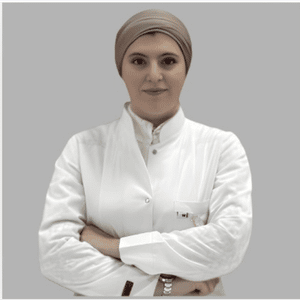
Rafl Malek Kamil Al Daraji
Universiti Malaya, MalaysiaPresentation Title:
Single-nucleotide resolution mapping of the PPP2R2B promoter island uncovers a localized epigenetic signature driving transcriptional silencing in breast cancer
Abstract
Background: Transcriptional silencing through promoter CpG island hypermethylation is a key factor in the inactivation of tumour suppressor genes in breast cancer. However, low-resolution profiling often conceals specific epigenetic variations at a local level. This study provides detailed single-nucleotide mapping of the PPP2R2B promoter island to reveal the precise regulatory structure responsible for its silencing in clinical breast adenocarcinoma.
Methods: Sixty Sanger bisulfite sequencing reads were analysed from primary breast tissue specimens collected from 20 adult female patients and 10 healthy controls at Imam Hussain Medical City in Karbala, Iraq. Extracted DNA underwent bisulfite modification and targeted amplification via methylation-specific PCR (MSP) using overlapping primer sets aligned to the human PPP2R2B RefSeqGene reference sequence NG_011570.3 (genomic coordinates: Chromosome 5: 146,580,742–147,084,784, reverse strand, GRCh38). Amplicons were resolved by Sanger sequencing, which were processed using a customised bioinformatic pipeline featuring functional normalization (FunNorm) and Beta Mixture Quantile dilation (BMIQ).
Results: Positional performance evaluations identified a robust, high-fidelity core window between read coordinates 120 bp and 410 bp where Phred quality metrics stabilized above Q> 20. Unsupervised Principal Component Analysis (PCA) of post-normalization M-values captured 78.0% of the total dataset variance (PC1 = 45.8%, PC2 = 32.2%), demonstrating robust phenotypic separation between tumor and normal samples. Calculating Cohen’s d successfully isolated a highly significant, significant, contiguous core regulatory hotspot encompassing sites CpG_1261, CpG_1262, CpG_1267, and CpG_1269. This four-locus regulatory cluster demonstrated a robust, uniform negative effect size (Cohen's d = -1.13) and cleared multiple-testing parameters with a Welch-adjusted p-value of 0.0216.
Conclusions: These findings show that PPP2R2B transcriptional silencing in breast cancer is not caused by a single, highly significant CpG "point switch." Instead, it results from the coordinated epigenetic remodelling of a specific 4-CpG core region. This highly precise spatial signature offers a distinct, high-sensitivity target for ultra-specific liquid biopsy diagnostics and risk-stratification panels.
Keywords: Breast cancer, PPP2R2B; Transcriptional Silencing; Cohen's d Effect Size; Promoter Regions, Genetic.
Biography
Rafl M. Kamil is a PhD student and Graduate Research Assistant in the Pharmaceutical Technology Department, Faculty of Pharmacy at Universiti Malaya, Malaysia. She has expertise in drug delivery systems, biomaterials for the treatment of wound healing, and cancer. She has experience in clinical pharmacy, pharmaceutical sciences, teaching, and academic research, having served as a clinical pharmacist and university lecturer. She has authored 12 research publications and serves as a reviewer for multiple international scientific journals. In addition, she is the President of the Postgraduate High Committee at her faculty, where she actively promotes academic engagement and research collaboration.

Organization Location
1309 Coffeen Avenue, STE 1200, Sheridan, Wyoming 82801 USA
General Enquiry
contact@scientexconferences.com
Finance Enquiry
finance@scientexconferences.com
Call us at
USA : (+1) 323 677 0554